In a nutshell
- 🇬🇧 The UK’s embrace of minimalist skincare (skinimalism) swaps crowded shelfies for a smart core: cleanse, moisturise, protect; driven by hard water, cost-of-living, and sustainability—strategic subtraction, not austerity.
- 🧪 The science favours barrier-first care: a pH-balanced cleanser, ceramide-rich moisturiser, and daily broad-spectrum SPF 30–50; one evidence-backed active (e.g., azelaic acid or a gentle retinoid) used consistently beats multi-active stacking.
- ⚖️ Pros vs. Cons: fewer irritants, easier consistency, and clearer feedback vs. slower results and risk of under-treating; red flags (cystic acne, rapid pigmentation, stinging with water) need GP/derm input.
- 💷 Money and waste matter: the article’s illustrative monthly spend shows Minimalist Core at £18–£35 vs. Multi-Step at £45–£120—finishable products and less packaging waste win out.
- 🧭 Build a three-step routine that works: AM cleanse (as needed) → moisturise → SPF; PM cleanse → optional targeted active → moisturise; patch-test, add one change at a time, and escalate only when necessary.
Across Britain’s bathrooms, the stuffed shelfie is out and the stripped-back sink is in. The trend has a neat name—skinimalism—and an even neater promise: fewer products, healthier skin, happier wallets. In a country juggling hard water, changeable weather, and a cost-of-living squeeze, the appeal is obvious. But does the UK’s love affair with minimalist skincare actually work, or is it just savvy marketing? Less can be liberating, but less must also be strategic. Here, I unpack what “minimal” really means, why it can succeed, when it stumbles, and how to build a routine that’s both low-effort and high-return—without sacrificing your skin barrier, your time, or your budget.
What Brits Mean by Minimalist Skincare
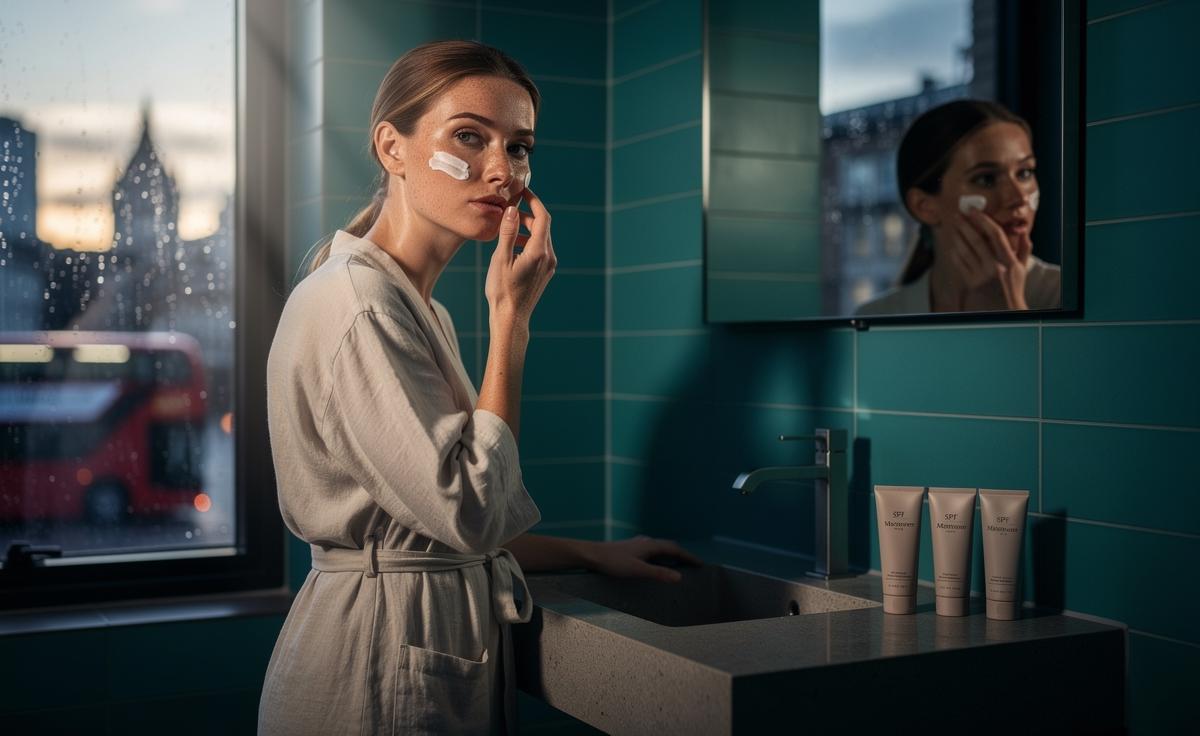
Minimalist skincare in the UK is not bare-faced austerity; it’s a pragmatic edit to three pillars: cleanse, moisturise, and protect. The routine typically cuts duplication (no two toners doing the same job), ditches irritants where possible (added fragrance if you’re reactive), and prioritises a single active used consistently over a rotation of seven. The goal: fewer variables, fewer flare-ups, and clearer feedback from your skin. For commuters, new parents, and gym-bag minimalists, it’s a lifestyle fit—easy to stick with, easy to pack, and easier on the planet via less packaging.
Motivations are mixed. For some, the driver is the skin barrier: after years of over-exfoliation, they want calm, not “tingle.” For others, it’s economics: three products you’ll finish beat eight that gather dust. Sustainability matters too—refills, multi-taskers, and “one-and-done” formulas signal a lower footprint. A composite case I’ve seen repeatedly: a London renter with combination skin slims from nine steps to three; within weeks, redness settles, breakouts shrink, and monthly spend halves. The secret wasn’t magic, but subtraction with a plan.
The Science Behind Doing Less
Dermatological logic favours simplicity because your skin is a living barrier—lipids, proteins, and microbiome—easily rattled by overuse of acids, retinoids, and fragrances. A skinimalist core works when each product plays a defined role: a pH-balanced cleanser removes grime without stripping; a moisturiser blends humectants (like glycerin), emollients, and barrier lipids (ceramides, cholesterol) to reduce transepidermal water loss; a daily broad-spectrum SPF 30–50 heads off UV-driven pigmentation and texture changes. When these three are right, many “problems” become less visible without extra steps.
Fewer steps also reduce the maths of irritation. Every new bottle is a new mix of preservatives, solvents, and actives, and the cumulative load can spark sensitivity—especially with hard water prevalent across the UK. Evidence in practice: simplifying routines often improves tolerance of a single, evidence-backed active (e.g., azelaic acid for redness and marks, or a low-strength retinoid for texture). The trade-off? Results may be slower than multi-active stacks—but steadier. Patch-test changes, adjust one product at a time, and log reactions for two weeks; in minimalism, measurement beats momentum.
Pros and Cons for British Skin and Budgets
Minimalism shines when time, money, and sensitive complexions collide. Less spend, less faff, fewer flare-ups—that’s the upside. But there are limits. Stubborn acne, melasma, and rosacea often need either prescription input or precisely dosed actives. If your routine is “too light,” you might plateau, mistaking inertia for stability. The trick is to keep the core tight and layer a single, goal-led active where needed.
- Pros: Lower irritation risk; easier consistency; realistic budgeting; reduced waste; clearer cause-and-effect.
- Cons: Slower change for entrenched concerns; risk of under-treating conditions; can mask issues that need GP/derm care.
To ground the money talk, here’s an illustrative example of monthly spend using typical UK high-street pricing. Your mileage will vary, but the ratios hold: finishing three workhorse products usually beats dabbling in many.
| Routine Type | Steps | Approx Monthly Spend | Notes |
|---|---|---|---|
| Minimalist Core | Cleanser + Moisturiser + SPF | £18–£35 | Affordable, finishable, low waste |
| Multi-Step Trend | 6–9 products | £45–£120 | Higher overlap; harder to track triggers |
| Targeted Minimalism | Core + 1 active | £28–£55 | Best balance for most concerns |
Why “less” isn’t automatically better: if you’re seeing cystic acne, rapidly spreading pigmentation, or stinging with water, minimalism alone won’t fix it—seek pharmacist or GP guidance for escalation.
How to Build a Three-Step Routine That Actually Works
Think of your routine as a small team with clear jobs. Morning: a gentle cleanse (or rinse if truly not needed), a ceramide-rich moisturiser, and a broad-spectrum SPF suited to your lifestyle (gels for gym-goers, creams for dry skin, tinted if you want cosmetic iron oxides for visible light). Evening: cleanse, moisturise; slot a single active on alternate nights if you’re addressing a goal. One active, one change at a time keeps feedback crisp and setbacks brief.
- AM: Cleanser (as needed) → Moisturiser → SPF 30–50
- PM: Cleanser → Active (optional) → Moisturiser
- Tip: In hard-water areas, a low-foam, pH-appropriate cleanser can cut tightness.
| Skin Concern | Keep (Core) | Consider Adding (1 Slot) | Red Flags — Seek GP/Derm |
|---|---|---|---|
| Breakouts | Gentle cleanser, non-comedogenic moisturiser, SPF | Benzoyl peroxide (low %) or salicylic acid, alternate nights | Deep, painful cysts; scarring; no improvement after 8–12 weeks |
| Redness/Marks | Barrier-first moisturiser, SPF daily | Azelaic acid (10–15%) or niacinamide | Burning, visible blood vessels spreading, eye involvement |
| Dryness/Texture | Cream cleanser, richer moisturiser, SPF | Low-strength retinoid 2–3 nights/week | Cracking, oozing, or severe itch |
| Dark Spots | Daily SPF (tinted optional), moisturiser | Azelaic or gentle retinoid; patience essential | Rapid spread; pregnancy-related patches—get tailored advice |
Apply actives to dry skin, buffer with moisturiser if sensitive, and track tolerability. If you need more than one active, cycle them on different nights rather than stacking. Consistency beats intensity in minimalist skincare.
So, does the UK’s fling with minimalist skincare work? In many bathrooms, yes—when it’s not just fewer bottles, but smarter roles, daily SPF discipline, and a single, patient active. It calms confusion, protects budgets, and respects the skin barrier that fashion forgot. But minimalism is a method, not a religion: escalate when signs warrant, and keep the door open to medical input. As you scan your shelf tonight, what could you subtract—or thoughtfully add—to make a three-step routine that actually serves your skin this season?
Did you like it?4.5/5 (22)